
Golf Injuries & Performance: The TPI Approach
Your Golf Pain Is a Clue—Not the Whole Story
By Dr. Chris Robles, PT, DPT, TPI Certified
One thing that often surprises patients and golfers dealing with pain—whether it’s in the shoulders, low back, hips, or knees—is the assumption that the painful area is the actual root of the problem. In reality, pain is often just the symptom. More often than not, it’s a compensation for a limitation elsewhere in the body.
Take this real-world example: an individual came in with low back pain, convinced he needed to improve his core strength and mobility in his lower back. While that was part of the picture, it didn’t tell the full story. The real issue was his hip mobility. His hips were so tight that they limited rotation during his swing. And if the hips aren’t rotating well, your body will look for that rotation elsewhere—typically, in the low back.
So now, instead of the hips generating power during the swing, the back is forced to compensate and rotate more than it should. This leads to inefficient movement, overuse, and eventually, wear and tear that causes pain.
After addressing the root issue—hip mobility and strength—this individual was able to return to playing 18 holes with only mild muscle soreness that resolved within 24–48 hours.
At PerformaX, we take a holistic approach. We don’t just treat where it hurts; we identify and address the underlying cause to keep you playing longer and more efficiently.
Some go-to exercises we use with golfers experiencing low back pain include:
- Half-kneeling rotational stretch – Improves rotational mobility
- 90/90 hip stretch – Enhances hip flexibility (similar to pigeon pose)
- Pallof press – Builds core and anti-rotational strength
- Lunges with rotation – Develops strength and mobility together
There are many other variations depending on your fitness level, but these are fundamental starting points.
If you’re dealing with pain or stiffness that’s affecting your golf game, I’d love to help. As a TPI-certified physical therapist, I specialize in identifying structural or functional limitations that could be the true source of your discomfort—or the key to unlocking your next level of performance.
Reach out to me directly at crobles@pmxpt.com to schedule a TPI (Titleist Performance Institute) movement assessment. Let’s get you swinging better, moving better, and staying in the game longer.

Dr. Chris Robles recently earned his Titleist Performance Institute (TPI) Certification! With this advanced training, he’s now even better equipped to evaluate and treat golfers, helping them enhance performance while reducing the risk of injury.
Chris brings over 12 years of experience as a personal trainer, combined with his expertise as a Doctor of Physical Therapy. His approach to care begins with a thorough evaluation to understand each patient’s functional needs and personal goals. By focusing on what matters most to the individual, Chris ensures that every treatment plan is both meaningful and effective.
What is the TPI Golf Assessment?
Titleist Performance Institute (TPI) has created a golf assessment to screen for physical mobility or stability deficiencies that may negatively impact your game. Identifying key areas of weakness or inflexibility “timely” enough, will give us time to provide you with a program to correct the defaults, improve your game and prevent the injuries that result from these imbalances and compensations.
What Happens During a PMX® TPI Assessment?
The Assessment will take up to an hour. Following a brief health screening, we’ll begin the physical test. Come dressed comfortably and ready to participate. You will be led through a series of fitness movements that are key components of the golf swing. We’ll go over your results with you to assure that you have an understanding of how your findings might be impacting your golf performance.
Is it Right for Me?
A PMX TPI Assessment is not just for those who have been previously injured or know that they have a physical limitation. To schedule an appointment in the PMX Golf studio with one of our pros, call us today.

Most common injuries in golf
Whether you are a skilled golfer with a low handicap or a new golfer still trying to hit the ball every time, the most common injuries are similar in the body location. The differences tend to be seen in the percentage of injury at each site.
Although often thought of as a leisurely activity, golf requires considerable coordination and force generation, resulting in injury. The most common type of injury is overuse due to the total repetition of swings and, even worse, poor technique.
The most common injuries in golf occur to the following regions of the body:
- Lower back: Improper swing technique is one of the leading causes of lower back pain among golfers. Swinging too forcefully and/or with too much or too little motion can lead to muscle strains and abnormal pressure on the spine’s discs.
- This is particularly important for senior golfers who have lost spinal mobility as they get older.
- Neck: New golfers, in particular, are not used to twisting their bodies as far or as many times as a round of golf requires. Although the head should stay relatively still while swinging, the movement of the rest of the spine causes rotation of the neck from the bottom up instead of our usual top-down sensation.
- You can sometimes avoid neck pain/ injuries by first warming up properly, taking frequent breaks, starting with fewer holes in the beginning, and slowly working up to more extended periods of practice and play.
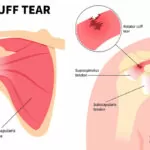
- Shoulder: Shoulder pain/injury can occur at any phase of the golf swing but tend to be due to faulty swings, a traumatic force like hitting a root or rock, taking a deep divot, and/or fatigue/overuse.
- Golfers typically develop problems with their tendons (i.e., rotator cuff muscles) or degenerative and arthritic changes to the joints. Fortunately, most injuries respond to physical therapy intervention.
- Elbow: Golfer’s elbow is a common issue for golfers. It is a form of tendinopathy that causes inflammation or micro-tearing in the tendons surrounding your elbow’s inner aspect. This condition is often the result of repetitive gripping and/or swinging and may be related to grip on the club handle. This condition can make holding and swinging a club impossible.
- Hip: The hip joint typically has a lot of mobility and can withstand large amounts of forces. The hip is subjected to repeated stresses during the golf swing and is particularly vulnerable to injury.
- Due to the nature of the extreme rotational and shear forces, injuries such as groin strains and joint sprains are common. Improper swing mechanics can leave you vulnerable to injuries to the cartilage and muscles in the joint itself. Warming up muscles before play and proper foot position and swing mechanics can limit or prevent damage.
- Knee: Knee pain is one of the most common types of injuries in the lower body of a golfer. The most common type of knee injury amongst golfers is a meniscal tear. This injury may be caused by sudden, forceful, twisting motions while bearing weight through the knee.
At PerformaX Elite, our therapists thoroughly understand movement and specifically the biomechanics of a golf swing. We use our expertise in the musculoskeletal system to identify and manage golf injuries. Our goal is to help you recover from an injury and improve your overall movement and strength so you can get back on the course doing what you love!

Happy Father’s Day
This Father’s Day, we celebrate all the dads, grandfathers, and father figures who inspire strength, resilience, and care every day — values we strive to support in every step of your health journey. Thank you for being role models both at home and in our communities. Wishing you a day filled with appreciation, relaxation, and good health!
Our Patients Get Great Results
“Dr Chris Robles has been great, really listened to my needs on my shoulder. And has provided massage, cupping, and the right workouts to meet my needs. Eli is a great assistant too. Both have been positive and knowledgeable, keeps me excited to go!” C.B.
Featured Product: Booty Bands
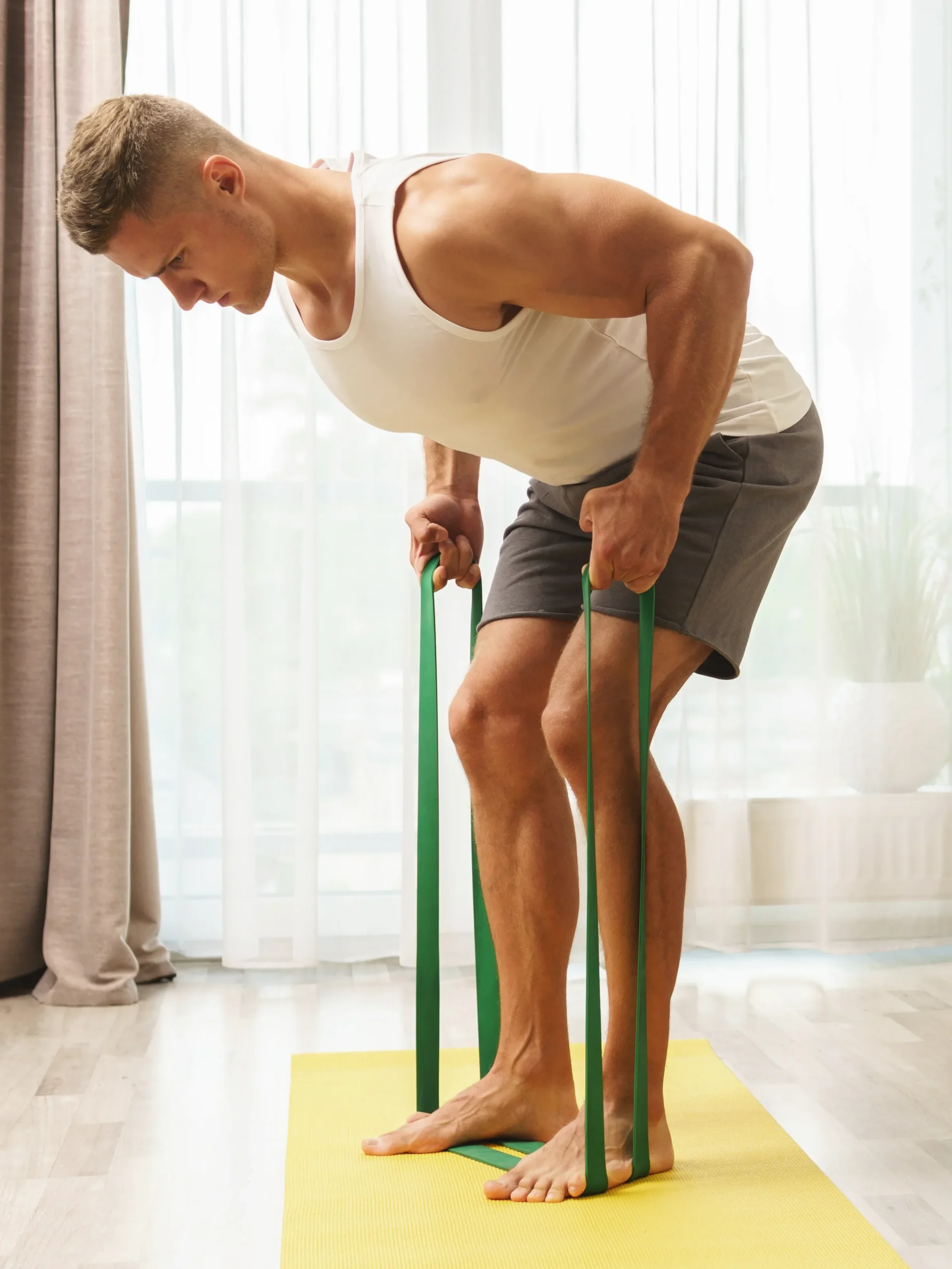
Looking for a small but mighty tool to take your recovery or fitness routine up a notch? Booty bands—also known as resistance bands—are a simple, affordable, and highly effective way to activate muscles and build strength, especially in the hips, glutes, and thighs.
Why We Love Booty Bands in Physical Therapy:
- Glute Activation: Perfect for targeting the glute medius, which supports hip stability and balance.
- Low-Impact Strengthening: Great for patients recovering from injury or surgery who need controlled resistance.
- Improved Form: Help reinforce proper knee alignment during squats and lunges.
- Portable & Versatile: Use them at home, in the clinic, or while traveling.
We often incorporate booty bands into rehab programs for hip, knee, and lower back injuries. They’re also a fantastic way to prevent injury by building stability in the lower body.
Want to learn how to use them safely and effectively? Ask your PT at your next visit—we’d love to show you how to make the most of this powerful tool!
What to expect at your physical therapy sessions
Most golf-related injuries result from overuse and/or poor swing mechanics. Our team has a good understanding of the biomechanics and forces of the golf swing to diagnose and treat any musculoskeletal injury. We will conduct a comprehensive evaluation at your first visit that includes a thorough history and movement assessment. We will identify your unique joint range of motion along with how your joints move in relation to one another. In addition, we will test your strength, coordination, and balance to ensure we determine any weaknesses and/or limitations that may impair your ability to swing correctly.
This information will help us design a program tailored to your individual needs. This program will consist of flexibility/mobility, strength, and power training with correction of faulty movement patterns to help the golfer reduce the likelihood of injury and improve their overall performance. Our team will show you warm-up routines and in-season and/or preseason strength and conditioning programs that include education on how to enhance performance so you can hit the ball with greater confidence!
Request an appointment today
At PerformaX Elite, our physical therapists will design a golf-specific plan to help you find relief and protect your body from future injuries and pain. No matter what condition you are dealing with, we can help you golf pain-free!
Refer A Friend & Get A $25 Gift Card!
Do you know someone who could benefit from physical therapy? Tell them about PerformaX and if they become a patient, we’ll send you a $25 Visa Gift Card! It pays to refer friends and family to PerformaX!
Local Happenings in Burbank
Looking for fun ways to get active and support your community? Check out these exciting events happening right here in Burbank this June:
Downtown Burbank Summer Arts Festival
- May 31 – June 1
- Stroll through over 180 booths filled with paintings, sculptures, photography, and handmade crafts. This free event celebrates creativity and is a great opportunity to walk, browse, and connect with local artists and makers.
Robo Toy Fest
- June 8
- Held at the Burbank Marriott Convention Center, this event is a dream for fans of robotics, collectibles, and toys. With interactive exhibits, rare finds, and plenty of walking between booths, it’s a fun and nostalgic way to stay moving while exploring pop culture past and present.
Burbank Bluegrass Jam at George Izay Park
- June 15
- Enjoy a relaxed evening outdoors with live bluegrass music, community vibes, and plenty of room to stretch out or dance. Bring a chair or blanket, tap your toes, and enjoy the rhythm—this event is perfect for all ages.
Love & Devotion 2025 – The 2-Day Con
- June 20–21
- This multi-fandom convention celebrates storytelling, creativity, and pop culture with panels, cosplay, vendors, and more.
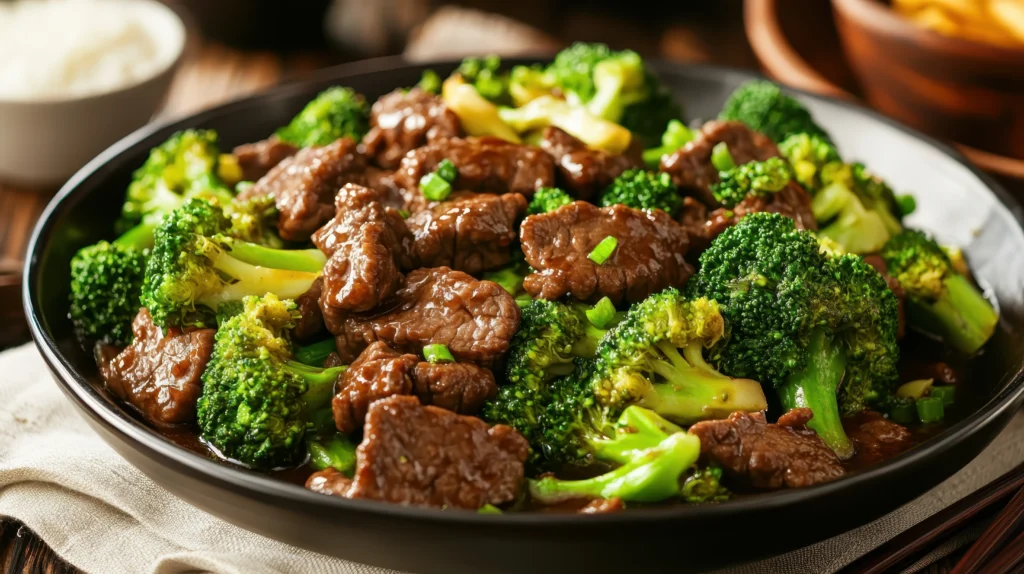
Recipe of the Month: Beef & Broccoli
Ingredients:
- 1 lb rump steak, finely sliced and slightly frozen, it’s easier to cut frozen
- 2 tablespoons soy sauce
- 1⁄2 teaspoon grated fresh ginger or 1/4 teaspoon ground ginger
- 2 tablespoons vegetable oil
- 1 lb broccoli, chopped
- 1 1⁄2 teaspoons cornstarch
- 1⁄2 cup beef broth
- 1 teaspoon soy sauce
- 1⁄4 teaspoon sesame oil
Directions:
-
Put meat in a bowl with 2 Tbs soy sauce and ginger, mix well. Heat your wok or frying pan to very hot. Add oil and coat the sides well. Add beef and broccoli and stir-fry until meat changes color (about 2 minutes).
-
Dissolve cornstarch into the beef stock and stir in remaining soy sauce and sesame oil.
-
Add to the beef and broccoli — stir until the sauce thickens. Serve over rice or noodles.
Sources
- https://journals.lww.com/jgpt/fulltext/2005/12000/optimizing_the_benefits_versus_risks_of_golf.4.aspx
- https://journals.sagepub.com/doi/abs/10.1177/0363546504267346
- https://www.scielo.br/j/rbfis/a/qGqt8m5GKpc8HtkqT5Wnzmg/abstract/?lang=en
- https://www.ncbi.nlm.nih.gov/pmc/articles/PMC3735827/
- https://www.ncbi.nlm.nih.gov/pmc/articles/PMC6088115/
- https://www.food.com/recipe/quick-and-easy-beef-and-broccoli-yummy-306022