

Are You Living With Jaw Pain? TMJ Could Be The Culprit

Are You Living With Jaw Pain? TMJ Could Be The Culprit
Hello everyone, this is Dr. Alex Luu at PerformaX!
I’d like to help the people experiencing TMJD (temporomandibular joint disorder) with some exercises and habits to practice! TMJD is not a fun condition to experience so I want to help manage it for everyone affected.
The number one thing you can do to practice managing TMJD is to be in the proper resting position for your mouth and jaw. This is a habit that everyone should practice, not just people with TMJD. Keep your tongue resting on the roof of your mouth with your lips closed but teeth are apart. This is to ensure the muscles in the mouth are not working and prevent you from clenching. Any teeth contact (apart from swallowing or chewing food) is actually considered clenching! This will take some time to get used to, especially if you’ve always had the bad habit of teeth contacting the whole time. I am guilty of it myself and I only learned recently upon taking a continuing education course that there is a proper rest position of your mouth, tongue, and teeth. So get to practicing! It will take time, so be patient.
In terms of exercises, a go-to would be the controlled jaw opening exercise. As mentioned above, you do want to start in that proper resting position. You’ll take it one step further by opening your jaw while keeping the tongue resting on the roof of your mouth. This allows you to open your jaw without it potentially clicking and helps with neuromuscular re-education (basically teaching your mouth the proper mechanics—muscle memory if you will—when you open the mouth) of the jaw. Do this slow and controlled for 10 reps throughout the day if possible.
Another good exercise to work on is strengthening the muscles in front of the neck to promote proper posture. You can use a resistance band and pull it behind your head. Use your hands and hold the ends of the band in front of you. Then, follow up with a chin nod and push against the band behind your head and hold for 2 seconds and release. Repeat until you hit 10 reps and you should feel a nice little workout fatigue in the neck and maybe even some stretching in the back of your head.
One last exercise! It is important to stretch the muscles surrounding the neck and the shoulder. You have these muscles called your trapezius muscles that look like a kite. It starts from your head and goes down into your shoulder blades by your midback. They also come forward onto your collar bones. So because these muscles are so big, it’s important to keep them loose. The portion of the muscle we’ll focus on is called the upper trapezius muscle. You can stretch these out by having one hand reach to the opposite side of your head and pull just above the ear down to the side of the arm pulling you. Hold for 30 seconds and then release, followed by the other side.
Okay, that’s it! Work on that habit formation and give those three exercises a try so that you can control your TMJD! Understand that it takes time for your body to make the change from these new motions that your body may never have experienced. Hope this helps!
Are You Living With Jaw Pain? TMJ Could Be The Culprit
Do you suffer from headaches, grinding of your teeth, clicking of your jaw or even ear pain? You’re not alone! These can all be signs of a condition known as Temporomandibular Joint Disorder (TMJ).
This is a disorder of the jaw muscles and nerves caused by injury to the TMJ (the temporomandibular joint), which is the joint between your jaw and skull. A physical therapist can take a look at your symptoms and help to diagnose you if this is what has been causing your discomfort!
If you’re living with this condition, don’t fret! The skilled physical therapists at PerformaX Elite are here to help you find true pain relief once and for all. Call our clinic today and cut the cord tying you to your pain!
Common causes of TMJ disorder
According to ChoosePT, TMJ disorder is so common that it currently affects more than 10 million people in the United States. That’s a lot! There are several reasons you may be experiencing symptoms of temporomandibular joint disorder.
Multiple factors contribute to the muscle tightness and dysfunction that characterize this condition. Most often, poor posture and neck alignment change the pull of the muscles that make your jaw move. This causes painful grinding and irritation of the temporomandibular joint.
Other causes may include:
- Poor alignment of or trauma to the teeth or jaw (malocclusion)
- Clenching of the jaw (bruxism)
- Lockjaw (trismus)
- Teeth grinding
- Poor posture
- Stress
- Arthritis or other inflammatory musculoskeletal disorders
- Excessive gum chewing
When you see a physical therapist for pain relief for TMJ disorder, they may ask you questions about your daily life including stressors and chronic conditions that could be causing your pain.
Our Patients Get Great Results
“My son and I have both used PerformaX Physical Therapy to recover from injury. My son was experiencing knee pain and I had a pinched nerve in my neck. Both my son and I are in martial arts, and are active athletic people. My son has his black belt test coming up and he needs to be in top shape for the testing. Dr Alex Luu treated him and directed his program to great positive effect. He is back to 100% for his test coming up. Likewise, Dr Alex was able to help me resolve my pinched nerve, and in the process uncovered a chronic issue that I will now be able to mindful of going forward. I highly recommend PerformaX, especially if you are an athlete.” -J.W.
Team Birthday Shoutout!
Help us wish a very happy birthday to four amazing members of our team this month — Jeremy, Patrick, Alex, and Cristina! We’re lucky to have them as part of our PT family. If you see them at the clinic, be sure to send some birthday cheer their way!




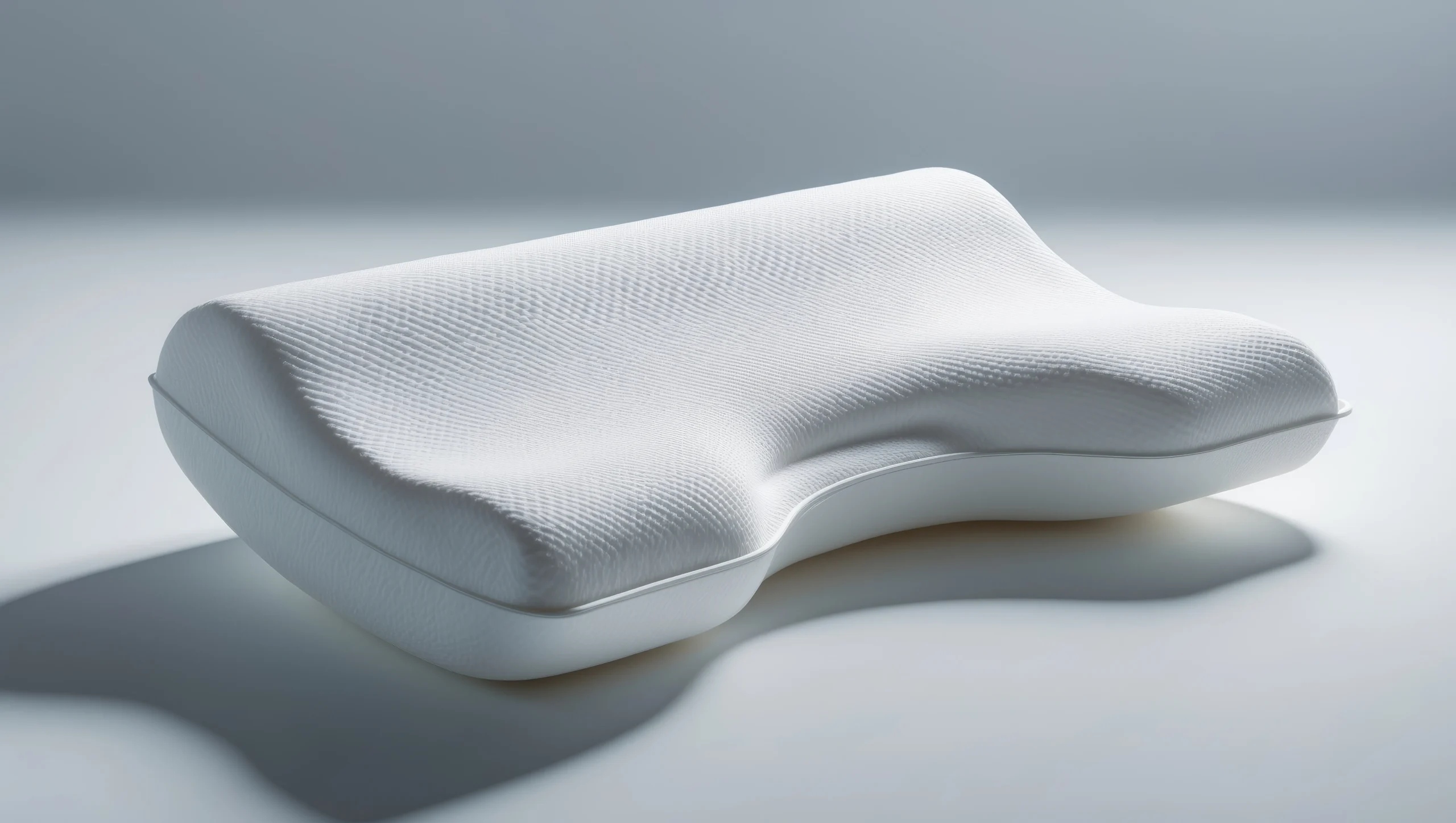
Featured Product: Supportive Neck Pillows
Did you know your pillow could be contributing to jaw pain? A good neck pillow helps maintain proper alignment of your head, neck, and jaw while you sleep—reducing strain on the TMJ and surrounding muscles. Whether you’re a side or back sleeper, choosing a supportive neck pillow can make a big difference in relieving tension and promoting better rest. Ask your physical therapist for recommendations tailored to your needs!

Symptoms of TMJ
There are several ways to know if you may be dealing with TMJ, although the best way to find out for sure is to visit with a PerformaX Elite physical therapist! When a person has TMJ, the injured joint leads to pain with chewing, clicking, and popping of the jaw; swelling on the sides of the face; nerve inflammation; headaches; tooth grinding; and sometimes dislocation of the temporomandibular joint.
The bad news is that this condition can make everyday things such as talking and eating pretty uncomfortable. The good news is that a lot can be done to help TMJ disorder, first starting with a thorough evaluation of your problem with our expert physical therapists!
How can a physical therapist help with TMJ?
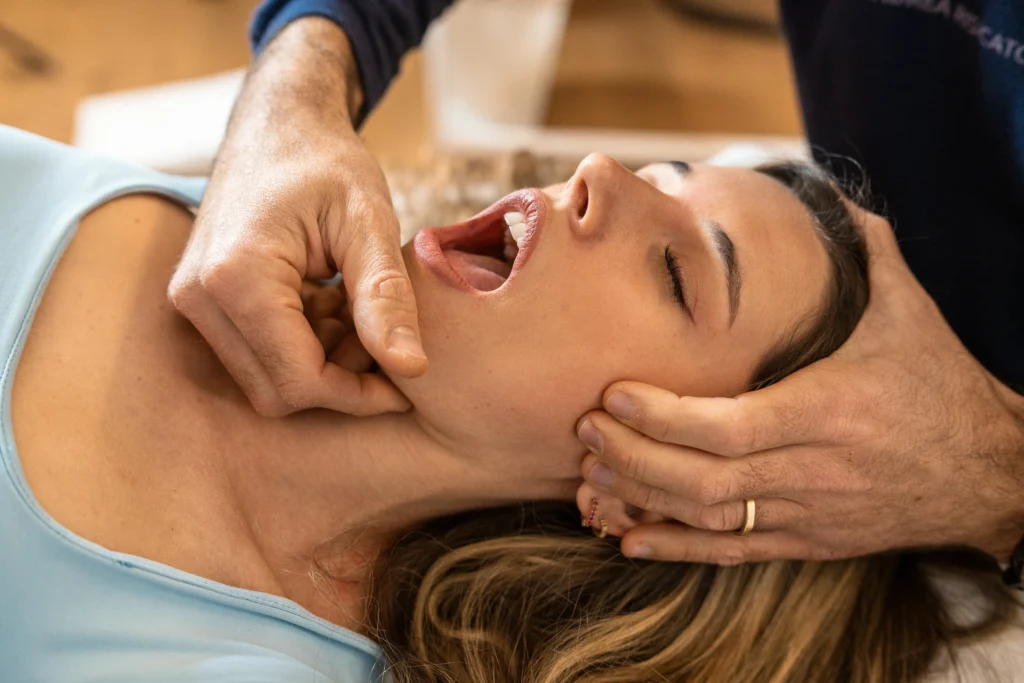
Dentists and orthodontists aren’t the only ones who can treat TMJ disorder. Physical therapists can as well. At your first appointment with PerformaX Elite, a thorough examination of your neck, shoulders, and thoracic spine will be performed to determine whether those structures are causing your symptoms.
Once the root cause of your problem has been discovered, a comprehensive plan can be developed to quickly relieve your pain and restore natural movement to your temporomandibular joint. Furthermore, our physical therapists will teach you techniques for regaining normal jaw movement for long-lasting results.
The focus of physical therapy for TMJ is relaxation, stretching, and releasing tight muscles and scar tissue. In most cases, physical therapy can resolve TMJ and prevent the need for surgery.
However, in cases where surgery is absolutely necessary, physical therapy is a vital part of the recovery process, as it helps minimize scar tissue formation, muscle tightness, and allows for a complete recovery.
Your recovery plan may involve a range of procedures and modalities, such as jaw exercises, soft tissue massage, joint mobilization, myofascial methods, electrical stimulation, and ultrasound. Your PT will also work with you on improving your posture as well since this can contribute to TMJ-related pain.
Upcoming Events in Burbank, CA
- Independence Day Celebration – July 4: Celebrate the 4th of July at McCambridge Park (1515 N. Glenoaks Blvd) from 5 pm to 9 pm, with free live music courtesy of The Ultimate Rock Band and Bruno & the Hooligans. The evening ends with a spectacular drone light show (no fireworks this year) at 9 pm, viewable across the city alongside a synced soundtrack via a companion app.
- Burbank Bluegrass Jam – July 20: Grab a blanket and enjoy a laid-back evening of bluegrass under the stars at George Izay Park (1111 W. Olive Ave). From 4 pm to 7 pm, musicians of all levels are welcome to join the free jam session—bring an instrument or just your ears.
Give us a call today
If you’re living with jaw pain and discomfort, it’s worth calling PerformaX Elite to set up an appointment to have your condition assessed. On the chance that TMJ disorder is the culprit, our physical therapists will do everything in their power to give you the pain relief you deserve, and help you to experience less discomfort when you’re talking, chewing, yawning, etc.
What are you waiting for? Relief is a call away, so reach out today to set up an appointment!
Refer A Friend & Get A $25 Gift Card!
Do you know someone who could benefit from physical therapy? Tell them about PerformaX and if they become a patient, we’ll send you a $25 Visa Gift Card! It pays to refer friends and family to PerformaX!
Recipe of the Month: Rosemary Citrus One Pan Baked Salmon

Ingredients:
- ⅓ cup olive oil
- 1 small orange (2 Tablespoons juice of orange plus thinly sliced orange slices)
- 1 Tablespoon lemon juice
- ½ teaspoon garlic, minced
- ¼ teaspoon orange zest (grated orange peel from orange)
- 2 Tablespoons fresh rosemary, plus extra to garnish (1 tsp dried rosemary may be substituted)
- 2–3 teaspoons honey
- 10–12 ounces sockeye salmon (whole fillet or three 4 ounces fillets)
- Pinch of sea salt
- Optional – thinly sliced orange or lemon
- Optional- 2 cups chopped/sliced veggies of choice (i.e broccoli, asparagus, green beans, etc.)
- Additional seasoning of choice or salt and pepper to taste
Instructions:
- Whisk together the olive oil, orange juice, lemon juice, garlic, orange zest, 2 tablespoons rosemary, and optional honey. Set the mixture aside.
- Grease or oil a large baking dish. Place the salmon in the baking dish, skin side down. Season the salmon with a pinch of salt.
- Preheat the oven to 400 degrees Fahrenheit.
- Brush the orange rosemary on top of the salmon, and place the salmon in the fridge to marinate for 5-10 minutes while the oven preheats.
- After 5-10 minutes, add thin orange slices on top of the salmon (optional), and toss veggies of choice with the reserved marinade or 2 teaspoons of olive oil, lemon juice, or seasoning of choice.
- Place the tossed veggies (if using) around the salmon in the pan.
- Place the baking dish in the oven for 12-15 minutes or until the salmon is no longer opaque in the middle and the vegetables are cooked through.
- Let the salmon rest for 3 minutes before serving.
- Add additional salt and pepper to taste.