
The Connection Between Hip and Knee Pain
The Connection Between Hip and Knee Pain
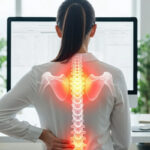
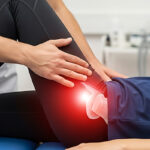
Did you know that for a lot of people, their knee pain is not actually due to a problem with the knee, but one with the hip? At PerformaX Elite, we frequently observe that a problem originating in the hip can be first felt as knee pain and vice versa.
You might wonder how this is possible. The answer lies in what’s known as the kinetic chain, where the hip and knee joints work together. The interconnection means that an imbalance or dysfunction in one joint can lead to compensation and pain in the other. The good news is our therapists can help you figure out the source of your pain and, more importantly, guide you back to health.
To move towards a healthier, active life, we recommend you consult with one of our physical therapists as soon as possible!

Our Patients Get Great Results
“I had a fabulous experience at PerformaX. My physiotherapist Chris was a complete professional – very encouraging, knowledgeable, empathetic and personable. I broke my ankle and Chris worked on my ankle at each visit to improve my mobility and provided me with exercises to complete in the clinic and at home. The app that contains all the exercises and the ability to message with Chris was very helpful. Overall, this facility is cutting edge and has wonderful customer service. Shout out to Jeremy and Eli who were excellent at advising me on completing my exercises in good form. It’s a joyful clinic and everyone genuinely seemed happy at work.” – J.B.
What Is InBody Testing?
No Estimations. Exact Results.
- Only impedance is used to determine your body composition results; no statistical data or empirical equations are used or required to predict your body composition.
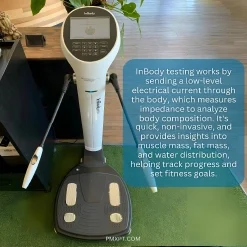
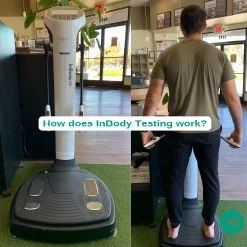
- Measure your fat, muscle, and water levels in less than a minute. No dunking. No pinching. No discomfort. Simply stand on the device and hold the hand electrodes to test.
- Non-invasive and pain-free testing
Bioelectrical Impedance Analysis
Safe, low-level currents are sent through the body through the hand and foot electrodes. The impedance the currents encounter are measured, and from there, your body composition is derived. With InBody’s patented technology, BIA has never been more highly correlated with gold standard methods until now.
Each InBody Test will print out a full-page results sheet detailing the muscle, fat, and water values of the user. The InBody scan provides you with lean mass and fat values in each segment of the body to give you a proper assessment of body composition.
Segmental Fat And Lean Mass Analysis
Identify how many pounds of lean mass and fat are in each body segment. This can be utilized to determine how specific diets and exercises are affecting the body composition.
Injury Identification
You can identify and track inflammation, swelling, and even injuries with ECW/TBW Analysis while monitoring how this ratio changes over time under the Body Composition History chart. Call us today to schedule your assessment!
Your Guide to Recognizing the Signs and Symptoms of Hip and Knee Pain
At PerformaX Elite, we believe in a holistic approach to healing. As musculoskeletal experts, we are trained to pinpoint the root cause of your condition, differentiate between hip and knee pain, and develop a plan that addresses the whole person, not just the symptom.
The Telltale Signs of Hip Pain
- Localized Discomfort and Stiffness: Hip pain generally starts as a localized discomfort in the groin area, often accompanied by stiffness restricting the range of motion. As the severity worsens, this pain can sometimes extend to the thigh and even the knee.
- Morning Stiffness: One of the most commonly reported symptoms is morning stiffness, which typically eases as the day progresses.
- Difficulty in Performing Daily Activities: Individuals with hip pain often find it challenging to bend over to tie shoes or pick up objects from the floor. This pain can intensify during movements like getting up from a seated position or walking uphill.
Classic Indicators of Knee Pain
- Localized Pain and Swelling: A primary indicator of knee issues is localized pain, often accompanied by swelling. This can be especially noticeable after prolonged periods of activity.
- Stiffness and Reduced Range of Motion: Another hallmark of knee pain is stiffness, which often restricts the knee’s range of motion.
- Popping or Crunching Noises: Experiencing popping or crunching noises during knee movement is a sign that shouldn’t be ignored, as these sounds often signify underlying knee issues.
- Difficulty in Bearing Weight: A large number of individuals with knee pain report difficulty bearing weight on the affected knee. This is often described as a feeling of weakness or instability, making activities such as climbing stairs or even simple walking difficult.
While interconnected, the hip and knee are distinct structures with unique roles in our body’s movement and different responsibilities. Understanding these differences is vital in diagnosing and treating pain effectively. This is where the expertise of our physical therapists can help!

Navigating the Path to Recovery with PerformaX Elite
At PerformaX Elite, our physical therapists will conduct a comprehensive evaluation, and distinguish whether you’re dealing with an issue in your hip, knee, or both.
After completing the evaluation, we’ll design a program focusing on the actionable steps you can take to ensure long-term relief and prevention of future injuries, including the following:
- Tailored Therapeutic Exercises: Our therapists will provide you with stretching and strengthening exercises to help restore your mobility and function. For example, eccentric training focuses on elongating a muscle under tension, proving particularly effective in strengthening muscles and improving mobility.
- Neuromuscular Re-education: This involves using exercises and manual techniques to restore normal muscle function and movement patterns. These techniques are especially effective in reducing pain and enhancing function, especially in individuals with hip and knee pain.
Our therapists go beyond the surface, digging deep into your symptoms to identify the underlying issues and determine the true origin of your pain, whether the hip, the knee, or both. Our goal is to build a program that helps you get back to living your best life!
Follow These Simple Steps to a Pain-Free Life
Are you ready to embrace a lifestyle that promises better mobility and less pain? At PerformaX Elite, we are here to guide you every step of the way, fostering a future where you feel better, move better, and live better!
Refer A Friend & Get A $25 Gift Card!
Do you know someone who could benefit from physical therapy? Tell them about PerformaX and if they become a patient, we’ll send you a $25 Visa Gift Card! It pays to refer friends and family to PerformaX!
What is the TPI Golf Assessment?
Titleist Performance Institute (TPI) has created a golf assessment to screen for physical mobility or stability deficiencies that may negatively impact your game. Identifying key areas of weakness or inflexibility “timely” enough, will give us time to provide you with a program to correct the defaults, improve your game and prevent the injuries that result from these imbalances and compensations.
What Happens During a PMX® TPI Assessment?
The Assessment will take up to an hour. Following a brief health screening, we’ll begin the physical test. Come dressed comfortably and ready to participate. You will be led through a series of fitness movements that are key components of the golf swing. We’ll go over your results with you to assure that you have an understanding of how your findings might be impacting your golf performance.
Is it Right for Me?
A PMX TPI Assessment is not just for those who have been previously injured or know that they have a physical limitation. To schedule an appointment in the PMX Golf studio with one of our pros, call us today.


Green Muffins Recipe — Perfect for St. Patrick’s Day
Ingredients:
- 2 cups whole wheat pastry flour, white whole wheat flour or spelt flour
- 2 teaspoons aluminum-free baking powder
- ½ teaspoon baking soda
- ½ teaspoon fine ground sea salt
- 1 large egg
- ¾ cup pure maple syrup
- ¾ cup dairy or non-dairy milk such as almond milk
- ¼ cup unrefined coconut oil melted
- 2 teaspoons pure vanilla extract
- 1 5- or 6-ounce bag of fresh baby spinach leaves
- 2 medium ripe bananas mashed
Directions:
-
Preheat oven to 350 degrees and line a standard 12-cup muffin tin with unbleached parchment liners.
-
In a large bowl, whisk together the flour, baking powder, baking soda and salt.
-
In a blender add egg, maple syrup, milk, oil, vanilla and spinach. Process until pureed.
-
Add spinach mixture to the flour mixture and stir until just combined. Fold in the mashed banana.
-
Scoop batter into prepared muffin tin, filling cups about ¾ full. I like to do this with a large ice cream scooper. Bake about 25 minutes, or until toothpick inserted into the center comes out clean.
-
Store at room temperature up to 3 days. These freeze nicely!
How Hip-Strengthening Exercises Can Help Alleviate Knee Pain
You may be surprised to know that the functioning of our knees is directly linked to the strength and stability of our hip muscles. Our hip muscles play a vital role in maintaining the alignment and stability of the knee joint. Hip-strengthening exercises enhance the knee’s support system, helping evenly distribute the forces that travel through it during daily activities. A strong hip musculature can help prevent the knee from adopting faulty movements and positions, often leading to pain. Hip exercises can also help improve posture and alignment, which is vital in preventing knee strain and subsequent pain. At PerformaX Elite, we’ll guide you in adopting these exercises into your daily routine, a step towards a life marked by greater mobility and less pain.
Seeking Guidance at PerformaX Elite
At PerformaX Elite, we’ll guide you through the exercises that ensure you reap the maximum benefits while maintaining safety and efficiency. Our approach is always holistic, emphasizing the role of the hips as crucial players in alleviating knee pain and facilitating overall health and well-being.
Here are some highly effective hip-strengthening exercises that have been shown to lessen knee pain:
- Hip Bridges: The bridge focuses on enhancing the strength of the hip extensors (buttock muscles) to help provide better support to the knee structure.
- Clamshells: This exercise is effective in strengthening the hip abductor muscles. By lying on your side and opening and closing your legs like a clamshell, you work on the muscles that are essential in maintaining knee alignment.
- Side-Lying Hip Abductions: This exercise is a powerhouse in bolstering the hip muscles, primarily targeting the gluteus medius. This vital muscle aids in stabilizing the hips and knees. Engaging in this exercise can be a game-changer in alleviating knee pain.
- Quadruped Hip Extensions: Another fantastic exercise that strengthens the hip muscles and promotes a stable core, creating a well-balanced support system for your knees.
These hip-strengthening exercises can provide stability and support to the knee, potentially reducing the strain and consequent pain.
Taking the Next Step
Remember, the journey to wellness is an ongoing process, and we are here to walk with you every step of the way. Ready to take a step towards a brighter, pain-free future? Call us today to get started!
Connecting Exercise with Mental Health
Have you been struggling with depression or anxiety? Is it difficult to get out of bed in the morning? Do you find yourself self-isolating or no longer participating fully in work or hobbies? If you answered yes to any of these questions– we want you to know first and foremost that you’re NOT alone. According to the National Alliance on Mental Illness, 1 in 20 U.S. adults experiences serious mental illness each year, while 1 in 6 U.S. youth aged 6-17 experience a mental health disorder each year.
Mental health struggles are often stigmatized to the point where they can be challenging to talk about with friends, family, and even trusted medical professionals. We can’t stress enough how critical it is to seek help when you’re feeling symptoms of a mental illness. Mental health treatment, like therapy, medication, and self-care, has made recovery possible for so many. We want you to know that you have options for your treatment– and you can get started on your recovery today by speaking to a medical professional.
Once you have taken these first steps, you can also begin to make lifestyle changes that positively contribute to your mental health. Can you guess what one of the most influential behaviors we can adopt is? That’s right– exercise! It’s a proven fact that people who exercise regularly have better mental health and lower rates of mental illness. Exercise improves not only our mood, concentration, and alertness but also our cardiovascular and overall physical health. If you don’t currently incorporate exercise into your weekly routine, you may be wondering how you can get started. Maybe you’re wondering how you can begin to get active when your mental illness can make even the smallest of tasks feel impossible.
The good news for all of us is that it doesn’t take much to make a positive change. According to studies, low to moderate-intensity exercise is enough to enhance your mood and thinking patterns. You can start by going on a brisk walk around your neighborhood, taking up cycling, or going for a swim at your community pool. If you believe you could benefit from some extra assistance, don’t hesitate to give our team a call. We can design a customized exercise program to help you get out of a funk and into a new, happier phase of life.
Sources
- Mhstats
- https://www.betterhealth.vic.gov.au/health/healthyliving/exercise-and-mental-health
- https://pamelasalzman.com/green-muffins-recipe-perfect-st-patricks-day/
- https://pubmed.ncbi.nlm.nih.gov/32643252/
- https://pubmed.ncbi.nlm.nih.gov/31621559/,
- https://pubmed.ncbi.nlm.nih.gov/30407271/
- https://journals.lww.com/jgpt/fulltext/2020/04000/hip_muscle_strengthening_for_knee_osteoarthritis_.6.aspx,
- https://www.jospt.org/doi/10.2519/jospt.2018.7877
- https://www.ncbi.nlm.nih.gov/pmc/articles/PMC7186678/
- https://pubmed.ncbi.nlm.nih.gov/32669487/
- https://www.physio-pedia.com/Low_Back_Pain